Research Projects
Our lab investigates the triggers and immunological mechanisms behind allergic reactions using advanced molecular techniques.
Basophil and mast cell biology
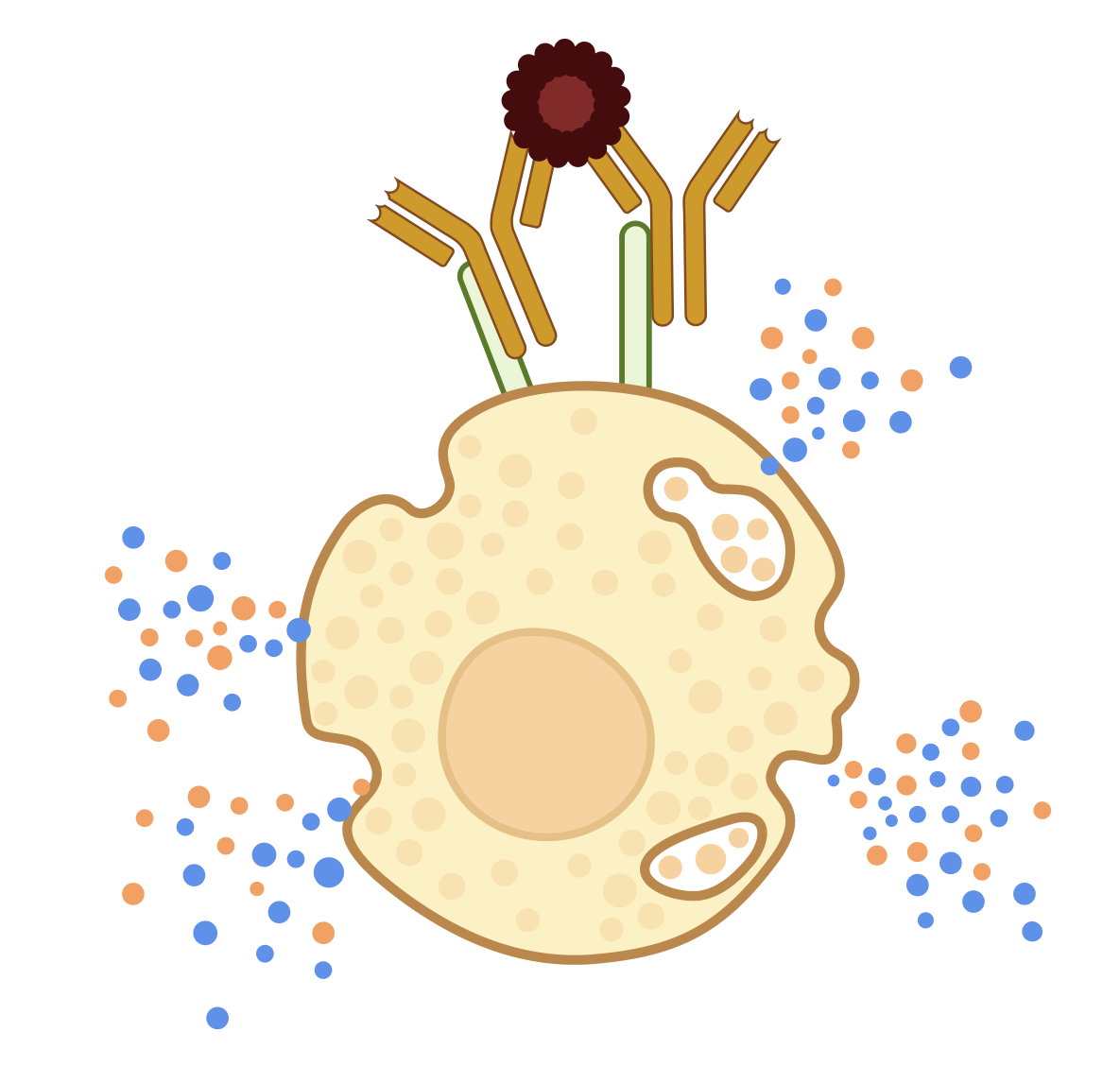
We dissect the molecular and functional programs that control mast cell and basophil activation in allergic disease. Our work integrates primary human cells, mouse models, and clinical studies to define how these drive anaphylaxis. By mapping pathways that regulate degranulation, cytokine release, and cell–cell communication, we aim to identify actionable mechanisms that can be leveraged for biomarker discovery and therapeutic intervention across allergic disorders.

Biomarkers of immediate hypersensitivity reactions
The diagnosis of anaphylaxis is based on symptoms, which is problematic due to the wide variability of symptoms and overlap of allergic symptoms with other diseases. These diagnostic difficulties contribute to the misdiagnosis and mismanagement of allergies. Unfortunately, there are no sensitive biomarkers for acute allergic reactions including anaphylaxis. We are working on discovering novel biomarkers to aid in its accurate diagnosis.
Anaphylaxis prevention and treatment
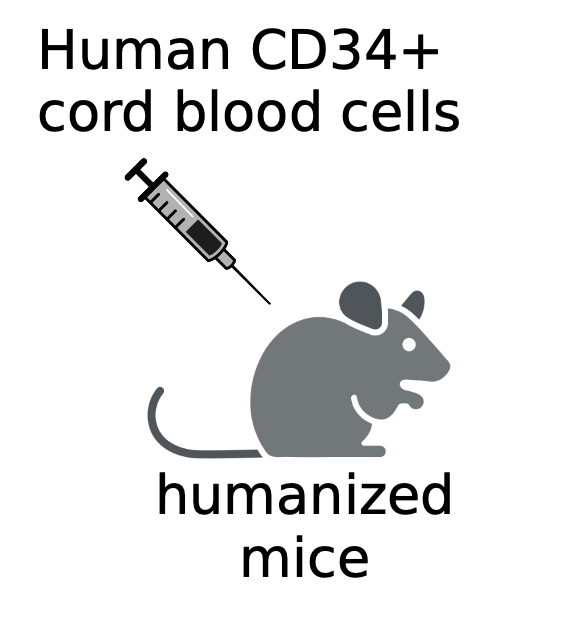
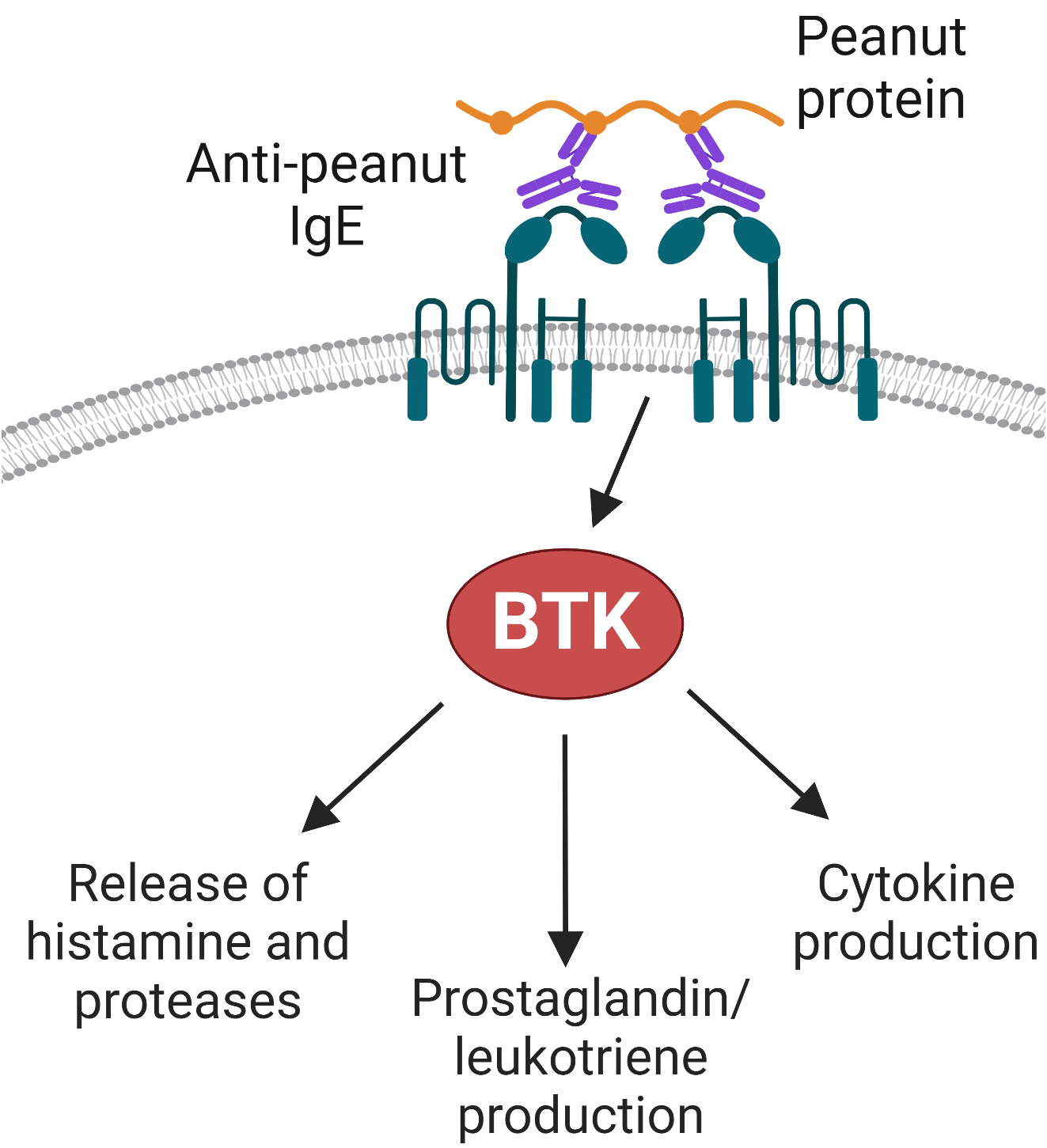
Anaphylaxis is a systemic allergic reaction for which there are no known reliable preventative therapies. Our lab investigates how to prevent and interrupt anaphylaxis by targeting the IgE–FcεRI signaling pathway in mast cells and basophils. We have shown that targeting an essential enzyme in this pathway called Bruton’s tyrosine kinase (BTK) can completely shut off activation from any allergen. BTK inhibitors fully suppress activation of primary human mast cells and basophils and can completely block anaphylaxis to an intravenous allergen in humanized mice. These findings point to BTK inhibition as a viable strategy for both prevention and emergency treatment of anaphylaxis.
Previous Projects
Basophil and IgE-Mediated Mast Cell Activation
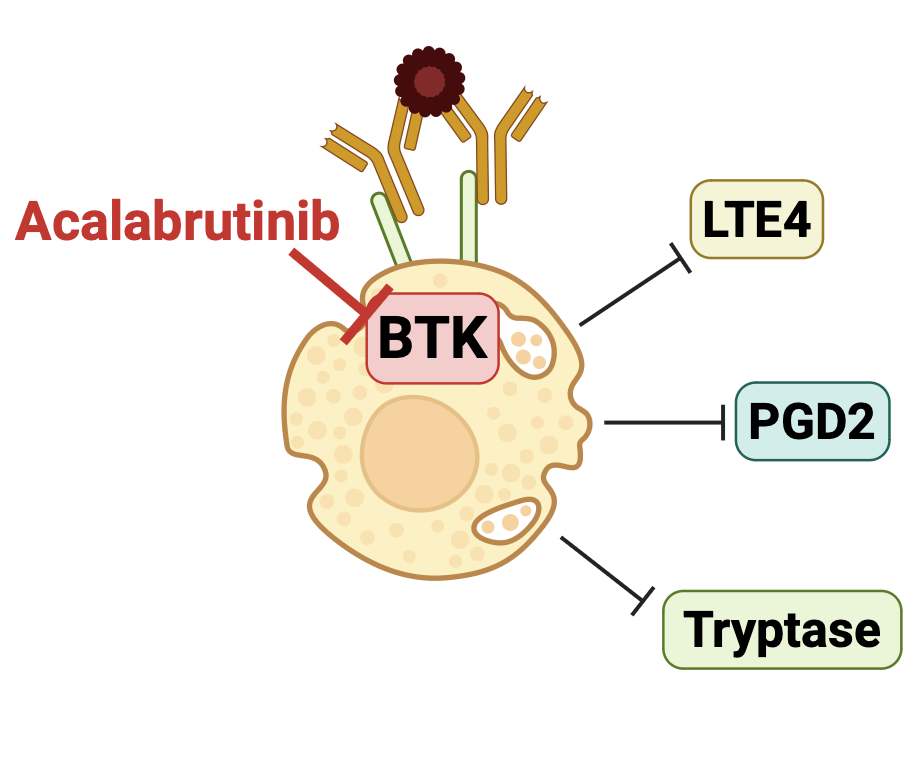
Assessed BTK inhibitors’ ability to block histamine release in vitro.
Learn More